

How to Season Wild Duck for Grilling Step by Step
Quick Summary
To season wild duck for grilling, pat the breasts dry, then rub them with about 3/4 teaspoon of kosher salt per pound plus pepper, garlic powder, and smoked paprika. Let them rest refrigerated for 2 to 4 hours or overnight before grilling over medium-high heat.
- Pat duck breasts dry before applying any rub so the seasoning sticks.
- Use about 3/4 teaspoon kosher salt per pound of duck breast as the base.
- Dry rub overnight for deeper flavor; 2 to 4 hours for a light cure.
- Keep brown sugar to 1/4 teaspoon per pound to avoid scorching over direct heat.
- Grill skin-side down, 3 to 4 minutes per side, pulling at 130°F to 135°F.
Table of Contents
- How to Season Wild Duck for Grilling Step by Step
- Why Wild Duck Needs Seasoning Before the Grill
- Ingredients for a Simple Wild Duck Seasoning
- Preparing Duck Breasts Before You Season Them
- Wild Duck Breast Marinade: Dry Rub or Wet Marinade?
- How Long to Marinate Duck Breast Overnight and Food Safety
- How to Grill Duck Breast on a Gas Grill
- Grilled Duck Breast Sauce and Glaze Ideas for Serving
- Start Seasoning Your Next Harvest with HuntChef
- Frequently Asked Questions
How to Season Wild Duck for Grilling Step by Step
Last Updated: November 19, 2026
Why Wild Duck Needs Seasoning Before the Grill
Wild duck is lean, rich, and a little bit gamey, and it needs more than a sprinkle of salt to shine on a grill. The cooks who get the best results season their duck early, give the seasoning time to work, and then grill with a plan. Seasoning is what turns a fresh harvest into a meal people ask about again.
Wild duck breast has very little fat compared with farm-raised duck. Without help, it can dry out fast over direct heat. A good rub adds flavor to the outside, and a short rest in the seasoning helps the salt and spices reach deeper into the meat.
Here's the basic idea. Season enough to bring out the duck's flavor, not so much that it hides it. Salt, pepper, garlic, and a little sweetness do most of the work.
Ingredients for a Simple Wild Duck Seasoning
You don't need a long shopping list to season wild duck well, but you do need measurements you can scale. The blend below is built per pound of duck breast so it works whether you're cooking two breasts or a dozen. A simple base covers the essentials, and you can build from there.
Base blend (per pound of duck breast):
- Kosher salt: 3/4 teaspoon. This is the anchor. If you use fine table salt instead, cut it to about 1/2 teaspoon, because finer crystals pack more salt per spoon. If you use a coarse sea salt, go up to about 1 teaspoon.
- Cracked black pepper: 1/2 teaspoon. Adds bite and balances the richness.
- Garlic powder: 1/2 teaspoon. Gives savory depth without burning on the grill.
- Smoked paprika: 1/2 teaspoon. Adds color and a light smoky note.
- Brown sugar: 1/4 teaspoon. A pinch helps the outside caramelize; more than that and it burns before the meat is done.
- Olive oil: 1 teaspoon per breast, applied separately to help the rub stick.
That base is deliberately neutral. From there, pick a flavor profile and add the listed amounts per pound:
- Herb and citrus: 1 teaspoon dried thyme, 1/2 teaspoon dried oregano, and 1 teaspoon lemon zest. Good on lean divers where you want brightness rather than heaviness.
- Spice-forward: 1/2 teaspoon chili powder, 1/4 teaspoon cayenne, and 1/4 teaspoon ground cumin. Works on richer puddle ducks that can carry heat.
- Sweet-savory: 1 teaspoon brown sugar (in addition to the base), 1/2 teaspoon dry mustard, and 1/4 teaspoon ground ginger. Best on skin-on breasts where the sugar can caramelize.
Substitutions: If you're out of garlic powder, use onion powder at the same amount. No smoked paprika? Sweet paprika plus a pinch of cayenne gets you close. No brown sugar? Honey works, but brush it on during the last minute of grilling rather than mixing it into the rub, since it burns faster.
Species note: Lean divers such as scaup and canvasback have less fat and take well to the herb-citrus profile with a little extra oil. Richer puddle ducks such as mallards and pintails can handle the spice-forward or sweet-savory blends without the flavor overwhelming the meat.
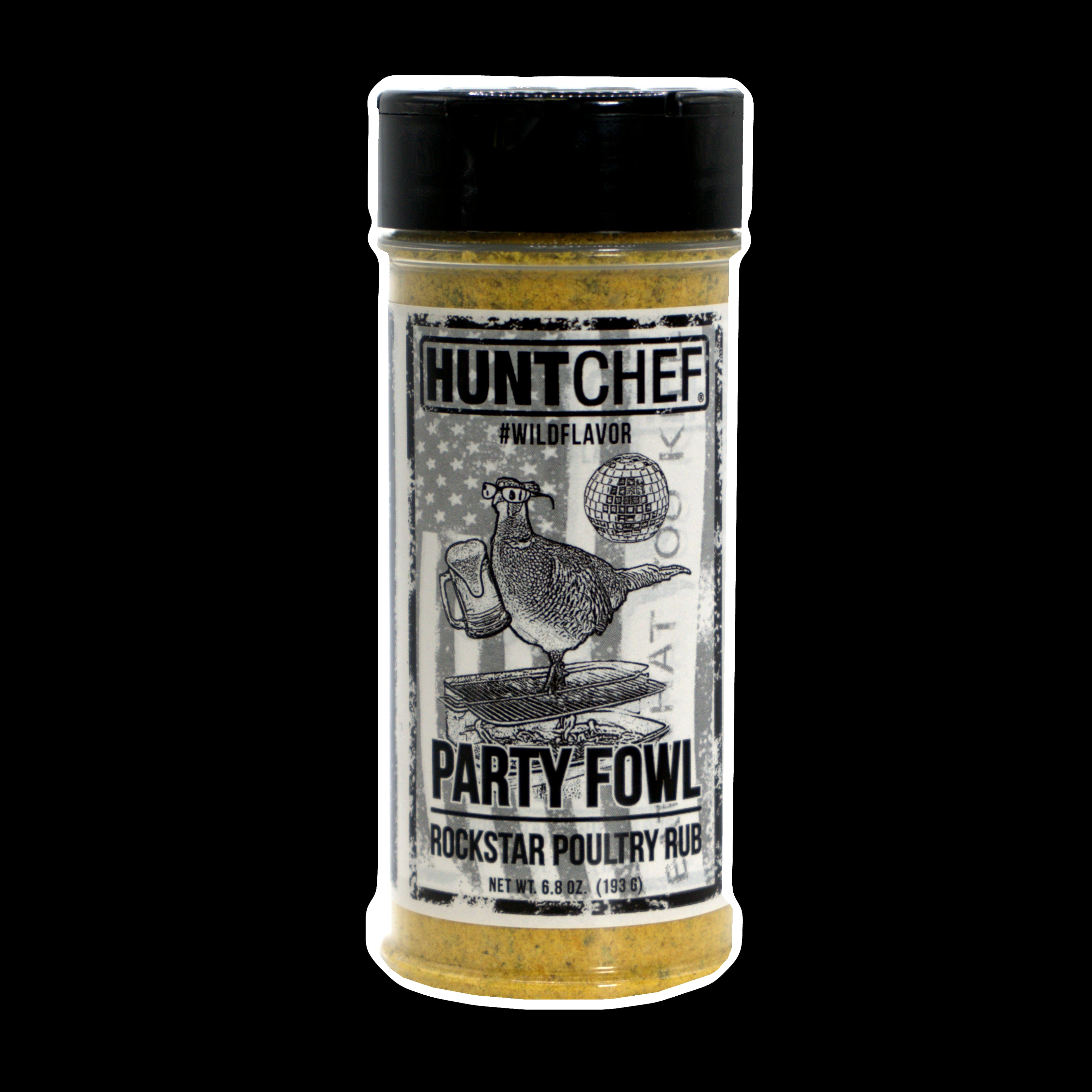
For a ready-made option, HuntChef's Party Fowl Poultry Seasoning Blend is built for poultry and wild birds. It is made in the USA with no MSG and no added gluten, and its savory garlic and onion flavor suits chicken, turkey, and any wild birds. If you use a pre-made blend, start with 1 teaspoon per pound and taste before adding more salt, since blends vary in sodium.
Watch out: doubling the salt because you doubled the meat is fine, but doubling the sugar is not, sweet rubs scorch over direct heat, so keep sugar at 1/4 teaspoon per pound unless you plan to grill over indirect heat.
Preparing Duck Breasts Before You Season Them
Good seasoning starts with good prep. Take a few minutes to clean and dry the breasts before you add any rub.
- Trim the silver skin. Slide a thin knife under the tough membrane and cut it away.
- Remove any shot or feathers. Check the meat carefully and rinse quickly if needed.
- Pat dry. Use paper towels to remove surface moisture. Dry meat holds seasoning much better.
- Score the skin. Lightly cut crosshatch lines through the skin on skin-on breasts so fat can render.
A common mistake is seasoning wet meat. The rub turns pasty, slides off, and leaves uneven flavor. Dry the breasts first, every time.
Wild Duck Breast Marinade: Dry Rub or Wet Marinade?
Both methods work, but they do different jobs, and the right choice depends on the bird in your hand. A dry rub is a good default for wild duck breast because it builds a seasoned crust and doesn't add surface moisture that can steam the meat over the fire. A wet marinade earns its place when you're working with older or tougher birds, or when you want a specific tangy or citrus profile.
Dry rub (dry brine): Salt does the heavy lifting. Apply about 3/4 teaspoon of kosher salt per pound of duck breast, or roughly 1/2 teaspoon per average breast, then add pepper, garlic powder, and paprika to taste. Let it sit uncovered in the refrigerator so the surface dries and the salt draws moisture out and then back in. Timing: 2 to 4 hours for a light cure, 8 to 12 hours overnight for deeper seasoning.
Wet marinade: Use oil as the base, then add acid, aromatics, and herbs. A workable ratio is 3 parts oil to 1 part acid (citrus juice or vinegar), with 1 to 2 cloves of minced garlic and a teaspoon of chopped herbs per cup of marinade. Keep the acid light, since too much can make the texture mushy. Timing: 2 to 4 hours is enough for most breasts; beyond 8 hours the acid starts to change the surface texture.
How to choose by bird: Lean divers such as scaup and canvasback have little fat and benefit from a wet marinade or a short dry brine with added oil, because the extra moisture and oil help protect the meat over heat. Richer puddle ducks such as mallards and pintails carry more fat and do well with a dry rub, which lets the skin render and the exterior crisp.
Skin-on versus skinless: On skin-on breasts, score the skin in a crosshatch and apply the rub under and over the skin so the salt reaches the meat. On skinless breasts, pat dry and apply the rub directly; add a thin coat of oil first so the spices adhere and don't burn.
For a bold dry rub, HuntChef's Straight Outta the Bay Crab Seasoning Blend is designed for ducks, seafood, and poultry. Our pick for most duck breasts is a dry rub, with a wet marinade reserved for older or tougher birds.
Watch out: a wet marinade left on too long can turn the surface mushy and cause flare-ups from dripping oil, so keep acid contact under 8 hours and pat the meat dry before it hits the grates.
How Long to Marinate Duck Breast Overnight and Food Safety
Time in the seasoning matters. Here's a simple guide:
- 30 minutes to 1 hour: Enough for a light surface rub.
- 2 to 4 hours: Good for deeper flavor without much change in texture.
- Overnight (8 to 12 hours): Works well for a dry rub. Keep the meat covered in the refrigerator.
Food safety matters with raw poultry and game. Keep duck refrigerated at 40°F or below the whole time. Don't leave seasoned meat on the counter, and wash hands, cutting boards, and knives after handling raw meat. Discard any marinade that touched raw duck rather than reusing it on cooked meat.
How to Grill Duck Breast on a Gas Grill
Duck breast cooks fast, so heat control is key. Here's the method we'd recommend:
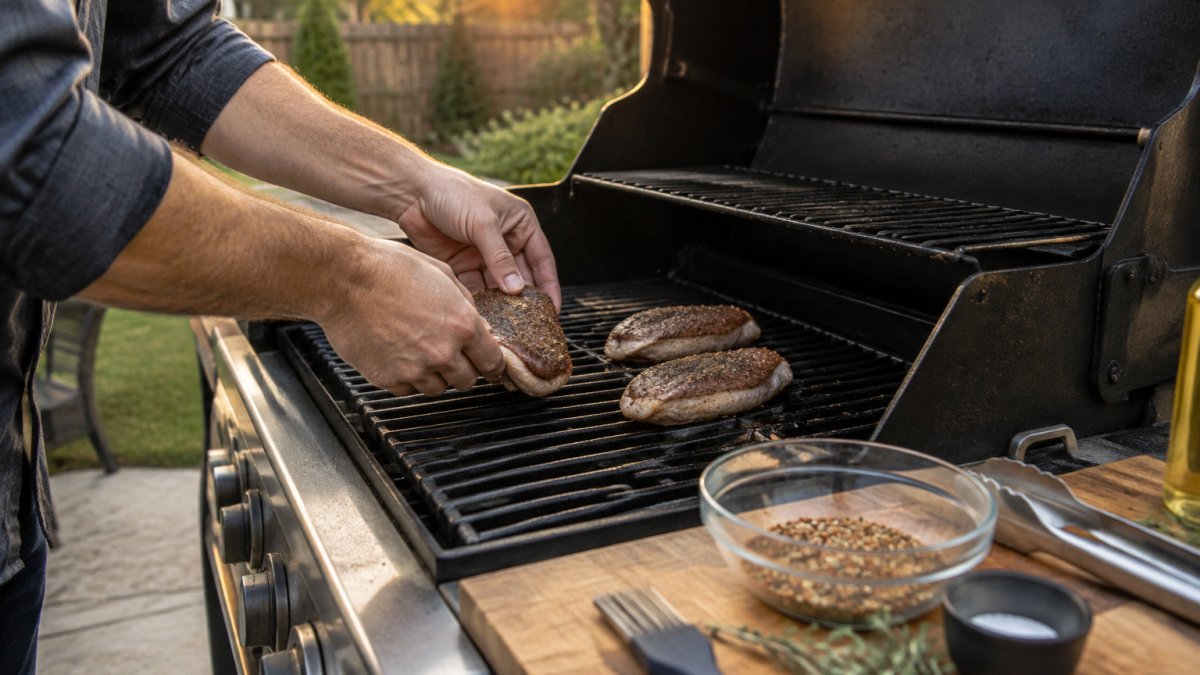
- Preheat the grill. Turn all burners to medium-high, about 400°F to 450°F, and close the lid for 10 minutes.
- Oil the grates. Brush them lightly so the meat doesn't stick.
- Start skin-side down. If the breasts have skin, place them on the grill skin-side down.
- Cook 3 to 4 minutes per side. Flip once. Keep an eye on flare-ups from rendering fat.
- Check doneness. Pull the breasts when they reach about 130°F to 135°F for medium-rare, then rest them for 5 minutes before slicing.
Watch out: duck fat can cause sudden flare-ups. Move the meat to a cooler zone if flames rise.
Duck breast cooks fast, so the steps and their timing are worth keeping in view while you grill.
| Step | What to do | Time or temperature |
|---|---|---|
| Preheat grill | Turn all burners to medium-high | 400°F to 450°F, lid closed 10 min |
| Oil grates | Brush them lightly | Before cooking |
| Start cooking | Skin-side down on skin-on breasts | Start immediately |
| Cook | Flip once, watch flare-ups | 3 to 4 min per side |
| Check doneness | Pull breasts at medium-rare | 130°F to 135°F |
| Rest | Let meat sit before slicing | 5 minutes |
Grilled Duck Breast Sauce and Glaze Ideas for Serving
A simple sauce can lift grilled duck. Try these options after the meat has rested:
- Honey and garlic glaze: Warm honey with minced garlic and a splash of soy sauce.
- Cherry or berry reduction: Simmer fruit with a little vinegar until thick.
- BBQ glaze: Brush on a sweet, smoky sauce during the last minute on the grill.
HuntChef's BBQ Sauce Variety Pack gives you several bold options to try, and each bottle is made in the USA with no artificial junk.
Start Seasoning Your Next Harvest with HuntChef
Seasoning wild duck for the grill is simple once you know the steps: dry the meat, pick a rub or marinade, give it time, and grill over medium-high heat. HuntChef makes blends built for wild game and poultry, so you can skip the guesswork. Explore our lineup of seasonings and make your next harvest the best meal of the season.
Frequently Asked Questions
What seasonings go well with wild duck?
Wild duck pairs well with salt, cracked black pepper, garlic, and a little brown sugar or honey to balance the richness. Savory-smoky blends with paprika and onion also work well, especially for mallards and other stronger-tasting birds. Start with a basic salt and pepper base, then add one bold element at a time. HuntChef Feather Duster is a seasoned salt that is listed for duck, and Ten Ring All Purpose Grill Rub is a peppery, garlic-and-onion option for game meats. Taste a small cooked piece before adjusting.
Should you marinate wild duck breast before grilling?
A short marinade or dry rub helps, especially for wild duck, which can taste gamey and lean. A dry rub applied 30 minutes to a few hours ahead is simple and keeps the skin crisp. A wet marinade with oil, garlic, and a splash of acid works well for overnight soaking, but keep the time under about 24 hours and refrigerate it at 40 degrees Fahrenheit or below. Pat the breasts dry before grilling so the skin can sear rather than steam.
How long should wild duck breast marinate?
For a dry rub, 30 minutes to 4 hours at refrigerator temperature is usually enough. For a wet marinade, overnight is the common upper limit, and anything longer can make the texture mushy. Always marinate in the refrigerator, never on the counter, and discard leftover marinade that touched raw meat unless you boil it first. Wild game should be cooled promptly after harvest and kept cold until cooking.
Can you grill wild duck breast without the skin?
Yes. Skinless breasts are leaner and cook faster, so reduce the grilling time and watch closely. They benefit from a little oil in the seasoning so they do not dry out. Sear over medium-high heat for about 3 to 4 minutes per side, then pull them when the thickest part reaches 135 to 140 degrees Fahrenheit for medium-rare, or 150 to 155 degrees for medium. Rest for 5 minutes before slicing.
